
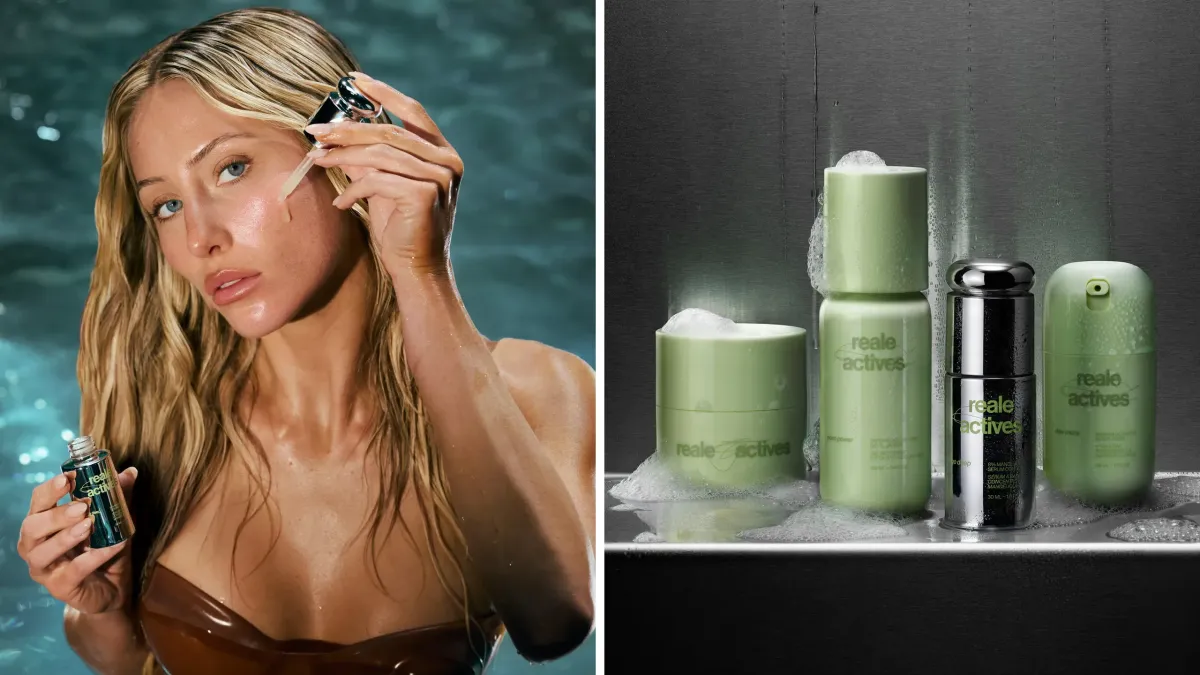
The Alix Earle Playbook: What Brands Can Learn From the Reale Actives Launch
It's rare to see an American owned skincare brand launch with a campaign that generates 16.4 million views on TikTok and 4.5 million on Instagram in its first few weeks. But what Alix Earle pulled off with Reale Actives wasn't just a strong launch. It was a very calculated one.
The brand launched four products on March 31, 2026. By the end of the day, she had cleared roughly $5 million in sales. Everything sold out in around 10 hours. She hit $1 million in under five minutes.
For context: Rhode took 11 days to reach $10 million. (Source: Puck News)
The gap between those numbers isn't just about audience size or product quality. It comes down to how deliberately she built anticipation before a single product was available to buy.
So how did she do it?
Step One: Seed the Idea Before You Sell Anything
As early as 2023, Earle already had a name — Reale, an anagram of her surname — and a rough concept: a skincare brand built around her own acne and sensitive-skin story. She partnered with Imaginary Ventures and a dermatologist to develop the formulations, treating it more like a startup than a quick influencer cash-in.
But none of that was public yet. And that's the point.
The groundwork was laid over years. What the public eventually saw was a carefully compressed version of that journey, released at exactly the right time.
Step Two: Build Intrigue With a Teaser Account
In mid-March 2026, weeks before the launch, a cryptic Instagram account appeared: @wtfisalixdoing.
Vague posts. Mysterious hints. No answers.
Fans and creators immediately started speculating on TikTok and Instagram, turning "what is Alix doing?" into its own mini-meme. The brand hadn't announced a single product yet and it was already generating organic conversation at scale.
This is one of the hardest things to pull off on social media. There's a fine line between building genuine curiosity and burning through your hype too early. Tease too much and people lose interest. Give it all away too soon and there's nothing left to launch.
Earle walked that line well. She'd post about heading to "an important meeting" without saying what it was. She started talking about gaps in the skincare market, about wanting products that felt fun and approachable rather than clinical or shame-inducing. Only her most engaged followers were piecing it together.
That was intentional. The goal at that stage wasn't mass awareness. It was building a core group of people who felt in on it, so that by launch day, they were primed to act.
Step Three: Make the Personal Narrative the Product
Around March 24, Earle officially revealed the brand name and its positioning: acne-focused, dermatologist-developed, but still fun and the kind of thing you'd actually want on your bathroom counter.
She leaned into her personal story. Her acne journey wasn't a footnote. It was the entire foundation of why the brand existed. The acne-positive framing, the "clean skin, dirty thoughts" tagline, the unfiltered photos of real skin, all of it pointed back to a lived experience that her audience had watched unfold over years of content.
This is what sits at the root of every successful creator-led product: the product has to feel inseparable from the person behind it. Not just what is this, but why does it exist and why does it come from her specifically.
Earle had a genuine answer to both questions. That's harder to fake than most people realise.
Step Four: Make Months of Work Look Effortless
When the official announcement came, she released behind-the-scenes footage spanning months: meetings, formulation sessions, product trials. It felt like you were watching it unfold in real time.
You weren't. It had been planned, filmed, and collected over months, then released in the one-to-two weeks before launch.
People won't stay invested in a slow burn that plays out over months. Compress it into a tight pre-launch window and it feels urgent, exciting, and real.
The brief: put in months of effort and make it look like it just happened.
Step Five: The PR Layer
The campaign didn't live entirely on social. Earle did interviews, feature stories, and a late-night TV appearance, framing herself not just as a content creator but as a founder. That extended the story beyond her existing audience and into culture more broadly.
The full arc looked like this:
Personal story > cryptic account > market gap messaging > behind-the-scenes drip > locked launch date > founder-style press.
Every step was built to make people feel like they were watching something they couldn't afford to miss.
What It Means
The numbers are impressive. The sell-out speed is impressive. But the more interesting story is what happened before any of it: the years of groundwork, the precise timing of each reveal, the way months of content got compressed into a two-week sprint that felt spontaneous.
Reale Actives generated over 16.4 million TikTok views and 4.5 million Instagram views in its first few weeks, according to Tubular Labs data. Beauty industry analysts are already calling it a new benchmark for influencer-led brand launches.
The harder question is whether she can sustain it.
Building a launch moment is one thing. Building a brand that doesn't need one is another. The early criticism around ingredient transparency, pricing, and long-term credibility hasn't gone away. She's already had to publicly apologise for product issues and offer replacements.
Alix Earle proved she knows how to build a moment. The next chapter is whether Reale Actives earns repeat customers, not just a sell-out launch that people remember.
Sources: Tubular Labs (view counts); Puck News (Rhode comparison); Imaginary Ventures (brand backing); product pricing confirmed via official Reale Actives channels.