
Brands, stop asking creators for the hard sell on TikTok
If you want creator marketing on TikTok to actually work, the content needs to feel native to the platform, not like an interrupted ad.
TikTok’s own creative guidance recommends introducing the proposition within the first 3 seconds, hooking viewers early, and using DIY-style, UGC-like creative that fits naturally into the feed.
That matters because TikTok is not a platform built around interruption. It is built around attention retention.
What is a hard sell, and why does it fail on TikTok?
A hard sell is a direct, high-pressure sales approach that pushes for an immediate purchase with urgency and repeated calls to action. That style can work in channels built for interruption, but TikTok is built around short-form discovery, where viewers control what they keep watching.
TikTok’s performance guidance emphasises that creatives perform best when they are made for TikTok, use a native style, and capture attention early. The platform also recommends telling a clear story rather than forcing a pitch.
In other words, TikTok rewards retention and relevance, not pressure.
Why do brands keep asking for it anyway?
Brands often default to hard sells because they are easy to brief, easy to attribute, and familiar from direct-response advertising. But that does not mean they are the best fit for TikTok creator content.
TikTok itself has repeatedly framed creator-led, story-driven content as more effective than tactical, promotional creative. In a TikTok and Dentsu study, storytelling UGC delivered a 70% higher ROI than tactical UGC.
TikTok’s own creative framework also encourages brand storytelling, product interaction, and creator freedom instead of over-scripted selling.
What does TikTok’s data say?
The clearest signal is that native-feeling content performs better than content that feels forced. TikTok’s guidance says to hook viewers fast, keep the style UGC-like, and guide the audience with a clear CTA rather than a hard pitch.
TikTok and Magna also reported that inauthentic ads were 19% less effective at driving purchase intent, while more controlled, skippable creative improved purchase intent by 15% in FMCG.
TikTok has also expanded measurement beyond the app, including off-site performance analysis that links organic posts, live videos, and ads to purchases on brand sites. That reinforces the point that the platform is designed to measure native content’s downstream sales effect.
The signal is consistent: attention first, conversion second.
What does this look like in practice?
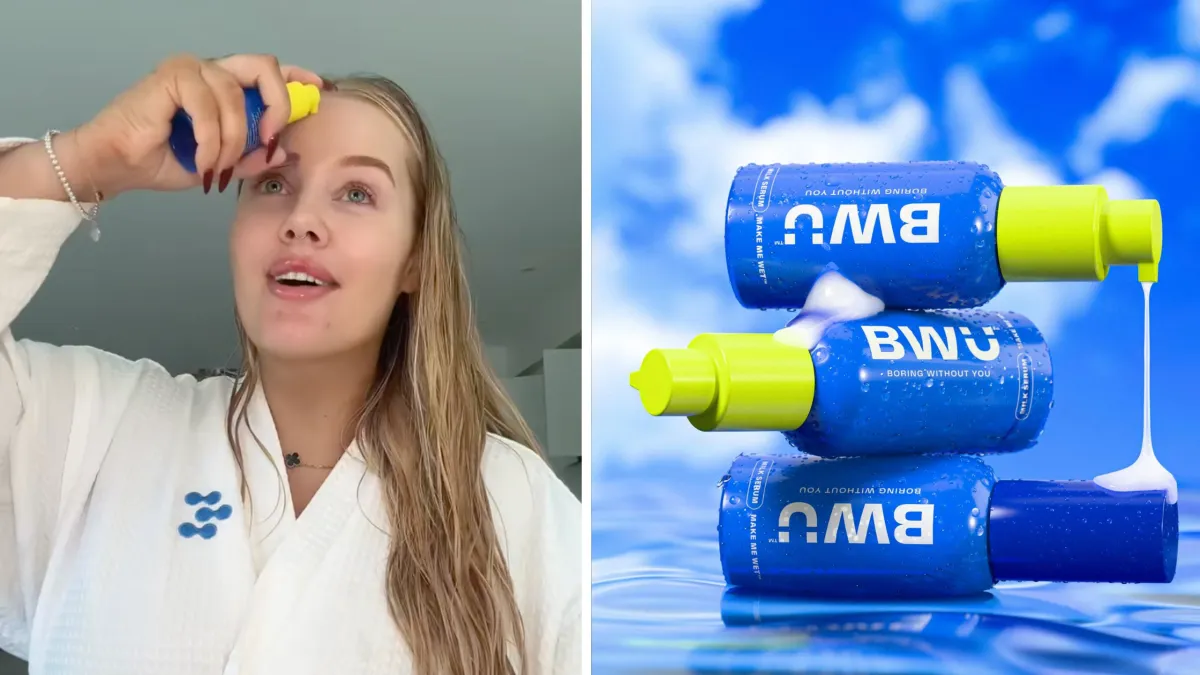
One brand we’ve seen execute this well is Boring Without You through its long-term creator partnership with Kayla Jade.
Instead of forcing overly scripted sales content, the brand leaned into native TikTok behaviour: creator-led storytelling, organic-feeling UGC, and content formats that aligned with how Kayla already speaks to her audience.
The result was content that felt natural to the platform while still driving strong commercial outcomes. One creator-led TikTok generated over $100,000 in attributed sales from a single video.
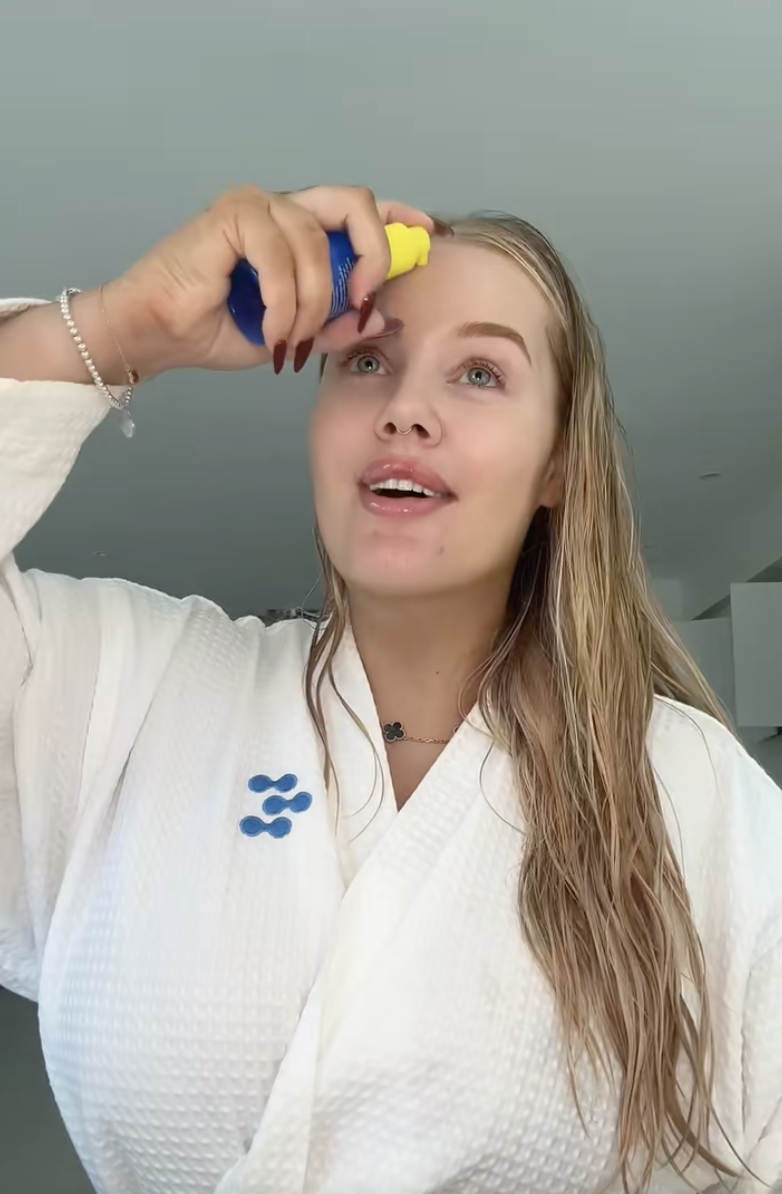
Boring Without You founder Davey said the partnership “literally changed the trajectory of our business,” explaining that the creator relationship did more than drive awareness:
“Kayla didn’t just give that brand awareness and notoriety, she also gave a level of trust and authority and persuasion that she has with her audience.”
Importantly, the partnership was built around creative trust rather than over-control. As Davey explained:
“You’re going to get the views that we need to make this investment worthwhile, but you’re also going to integrate the product in a natural, authentic way that resonates with your audience and doesn’t feel like an ad. And I think that’s the key.”
Much of the campaign’s success also came from amplifying high-performing creator content across additional channels rather than relying on one-off organic posts alone.
TikTok rewards content that feels chosen by the viewer, not imposed on them.
The strongest creator campaigns often come from brands that understand creators are not just ad placements. They are storytellers with an existing audience relationship.
What does a creator lose when they do the hard sell?
Creators lose algorithmic momentum, audience trust, and future brand value.
TikTok’s creative best practices are built around keeping watch time high and making the ad feel like something users chose to watch, which is the opposite of an aggressive pitch.
They also lose the trust that makes creator marketing valuable in the first place. A creator who suddenly sounds like a coupon blast or a storefront announcement can feel less authentic, which weakens both current engagement and future recommendations.
TikTok’s emphasis on UGC-style, creator-led storytelling is effectively the platform telling brands not to turn creators into hard-sell ad units.
What should brands be asking for instead?
Brands should ask for creator content that looks and feels like an organic TikTok post.
TikTok recommends native-looking creative, early hooks, sound, vertical format, and a concise value proposition rather than a slow buildup to a hard CTA.
Brands should also ask for storytelling, demonstrations, and a single clear next step instead of over-scripted sales messaging.
TikTok’s storytelling frameworks explicitly support UGC-style assets, product interaction, and creator-led delivery because those formats align more naturally with how users consume content on the platform.
If you want to scale sales, creator posts should be the starting point, not the endpoint. The strongest TikTok creator marketing strategies usually identify high-performing organic content first, then amplify those assets through paid distribution and broader campaign integration.
The brands winning on TikTok are usually not the ones forcing creators into polished sales scripts. They are the ones building creator content that audiences would willingly watch even if there were no product attached.
Resource list
Here are the sources used for the stats and claims in this article:
TikTok creative best practices:
https://ads.tiktok.com/help/article/creative-best-practices
TikTok storytelling frameworks:
https://ads.tiktok.com/business/en-US/blog/get-creative-6-storytelling-frameworks
TikTok x Dentsu research summary:
https://ads.tiktok.com/business/en/blog/tiktok-dentsu-from-storytelling-to-sales-nordics
TikTok x Magna research summary:
https://magnaglobal.com/entertaining-and-authentic-tiktok-ads-perform-best-with-consumers/
TikTok off-site performance / measurement coverage:
https://www.adweek.com/media/tiktok-shop-off-site-performance-pixel-tracking/