
Australians Say They Don’t Trust Influencers. Their Behaviour Tells a Different Story
There is no shortage of research telling you Australians do not trust influencers. Bazaarvoice research reported that 78% of Australians are concerned about fake reviews and user-generated content, while ABC’s Australia Talks survey found only 3% of Australians say they trust social media influencers. More recent news trust research has also found that Australians see online influencers and personalities as major sources of misinformation.theconversation+2
On the surface, that seems definitive. Australians do not trust influencers. Case closed.
Except it is not that simple.
When you shift from self-reported attitudes to actual behaviour, the picture changes. Hoozu and IZEA’s 2024 Australian research found that 70% of 18 to 29-year-olds have purchased a product after seeing it used by an influencer. The same study found that 51% of 18 to 29-year-olds research products on TikTok before making a big purchase, while 38% of 30 to 44-year-olds turn to YouTube. Another summary of that same report noted that 46% of respondents had purchased a product after seeing it used by an influencer, and 64% had purchased through a social shopping feature or were open to doing so.
So what is going on here?
How can Australians say they do not trust influencers while still buying what influencers recommend?
Why Australians say they distrust influencers
The distrust itself is real. Research points to a few recurring reasons.
First, people are worried about misinformation. University of Canberra reporting on the Digital News Report found that Australians rank online influencers and personalities among the top perceived sources of misinformation.
Second, there is a broader fear of fake or manipulated online content. Bazaarvoice’s Australian findings show concern about fake reviews, fake user-generated content and weak authenticity standards around online recommendations.
Third, people associate influencers with commercial bias. If a post looks paid, polished or strategically vague, audiences tend to assume the recommendation is shaped by money rather than belief. Culturally, that scepticism has become part of the way many Australians talk about influencers.
You can feel that social stigma outside the studies too. Influencing is still treated by many people as a less legitimate career path than traditional professions, even when it is economically successful and strategically sophisticated.
The behaviour data tells a different story
This is the part marketers should pay attention to.
People may say they distrust influencers in theory, but behaviourally they are clearly being influenced by them. The Hoozu and IZEA research shows younger Australians are not just watching influencer content. They are researching products through creator-led platforms and buying after exposure.
That pattern also holds beyond one study. A systematic review in the International Journal of Consumer Studies concluded that influencer research consistently links creator content to consumer engagement, awareness, attitudes, purchase intention and loyalty across many studies. Australian research from The Growth Distillery also found that influencers do not just drive awareness. They drive brand consideration and choice, with trustworthiness and attraction acting as major drivers of that influence.onlinelibrary.
In plain English, people say one thing about influencers and do another.
The definition problem
My view is that a lot of this contradiction comes down to definition.
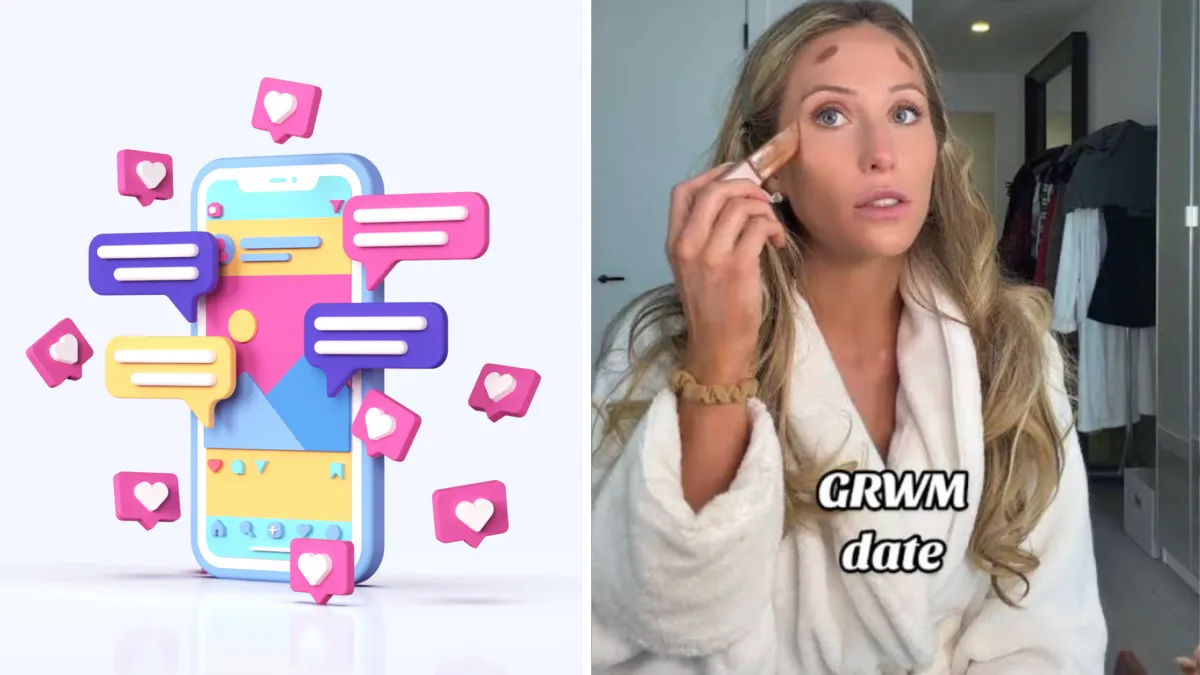
When many Australians hear the word “influencer,” they picture a very specific type of person: a young, highly online lifestyle creator on Instagram or TikTok, pushing obvious sponsored content, chasing attention and selling a polished version of themselves. That image has been reinforced by years of media coverage and public commentary.
But the actual definition of an influencer is much broader. Mainstream marketing and dictionary-style definitions describe an influencer as someone who can shape opinions, generate interest, or affect purchase decisions through their content and relationship with an audience. Under that definition, a YouTube gamer can be an influencer. A 56-year-old skincare creator on Instagram can be an influencer. A podcast host whose recommendations move book sales can be an influencer. A LinkedIn creator who gets marketers to trial a SaaS tool can be an influencer.
The common thread is not youth, beauty, or platform. It is repeated content in a niche, audience trust, and measurable behaviour change.
What people think influencers are versus what they actually are
This gap matters.
If someone says, “I don’t trust influencers,” they are often reacting to a stereotype, not to the full range of people who influence them every day. They are thinking about the polished Instagram archetype, not the gamer on YouTube whose reviews shape what their kids want, or the skincare educator whose recommendations affect what older women buy, or the podcast host whose audience treats them like a trusted friend.
That means self-reporting can be directionally useful, but incomplete. It captures the baggage around the word “influencer,” not always the full reality of influence itself.
Why this matters for marketers
This matters because self-reported distrust stats are being used to make media and brand decisions.
If senior marketers only look at top-line trust data, they risk underinvesting in creator-led channels that are clearly affecting discovery, consideration and purchase behaviour. A better approach is to separate the stereotype of the influencer from the function of influence.
The smarter question is not, “Do Australians trust influencers?” The smarter question is, “Which people, in which formats, in which categories, are actually changing behaviour?”
Because whether audiences like the label or not, influencing is already embedded in how modern consumers discover products, validate decisions and act.
Resources
Bazaarvoice study coverage on Australian concern about fake reviews, user-generated content and trust in influencer content via Mediaweek: Mediaweekmediaweek
ABC Australia Talks coverage on trust in social media influencers: ABC Newsabc
Hoozu / IZEA Trust in Influencer Marketing 2024: Hoozuhoozu
IZEA press release summary of the Australian trust in influencer marketing report: IZEAizea
B&T summary of the Hoozu / IZEA Australia findings: B&Tbandt.com
The Growth Distillery, Understanding and Mapping the Australian Influencer Landscape: The Growth Distillery PDFthegrowthdistillery
Social media influencers and consumer engagement: A review and future research agenda, International Journal of Consumer Studies: Wileyonlinelibrary.wiley
McKinsey definition of influencer marketing: McKinseymckinsey
Brandwatch definition of influencer: Brandwatchbrandwatch
Sprout Social definition of influencer: Sprout Socialsproutsocial
Merriam-Webster definition of influencer: Merriam-Webstermerriam-webster