When "Collaboration" Turns into "Dictation"
Many of the early conversations I have with brands start with a familiar theme:respecting the creator’s vision.
I hear things like:
“We want it to feel natural.”
“Let’s go for an organic vibe.”
“The last thing we want is something that looks too ad-heavy.”
All roses and butterflies; especially to a talent manager who’s trying to grow and monetise a creator’s work without compromising their authenticity.
But here’s the twist:
When the brief turns into deliverables, that collaborative spirit often evaporates. Suddenly, the “organic” ask becomes anythingbut. And what was positioned as partnership starts to feel more like dictation.
So, what’s going on?
Are brands forgetting what they initially asked for?
Are they trying to draw us in under the guise of creative freedom?
Do they even realise they’re contradicting themselves?
The truth is more mundane and more frustrating: many brands don’t actually know whattruecreative collaboration looks like. And in fairness, why would they? Many are used to working with traditional media, not creators who have built followings on intimacy and trust.
As a manager, I’ve learned to expect this tension and come prepared: with clearer expectations, tighter processes, and better solutions. But sometimes, especially with first-time campaigns on Instagram or TikTok, it feels like solving a puzzle:
Do they really mean “collaborate”?
Do they understand what they’re asking for?
DoIunderstand what they’re asking for?
This mismatch is also why many agencies and managers repeat collaborations with the same partners. Once that puzzle is solved, the ease is hard to replicate.
So when “collaboration” becomes “dictation,” what’s actually happening?
Talent managers aren’t setting expectations early enough.
Brand repsmisunderstand what “collaboration” really means.
Even when everyone understands the brief, the first draft misses the mark and dictation becomes the fallback instead of refinement.
And to be clear — creators sometimes misunderstand collaboration too. I’ve seen talent deliver content that misses the mark, or fail to adapt when feedback is genuinely constructive. But when both sides are aligned on whattruecreative collaboration looks like, and set those expectations from the outset, the end result doesn’t just work. It connects.
What does true native, creator-first content look like?
Here’s what makes a branded post actually work:
✅No forced logos: let the branding live naturally within the frame
✅Softer CTAs: skip the “link in bio” and go for conversation starters
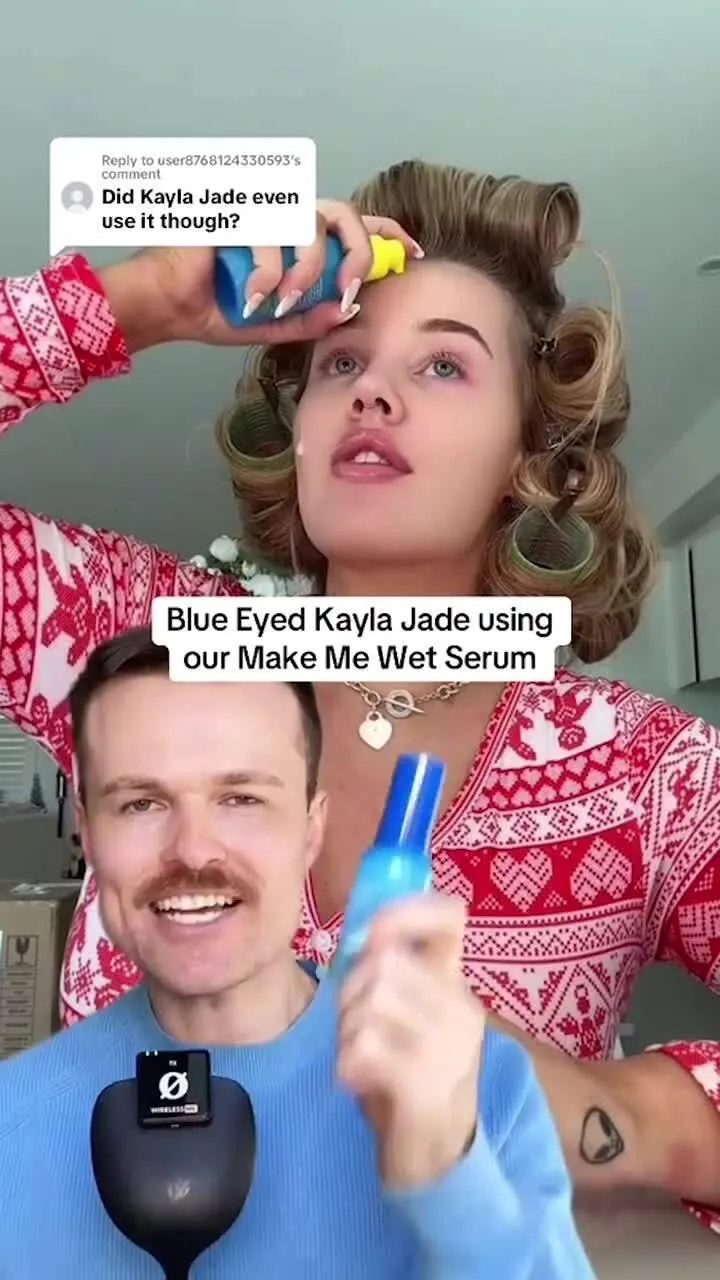
✅Delayed brand reveal: lead with a story, not a sale (see the example below where the brand isn’t mentioned until 40 seconds in and it generated more than 3 Million views and SUPER high engagement)
✅Engage the comments: make space for the audience to ask, not just be told
✅Integrated, non-obtrusive directives: think: “here’s how I use it” not “you should buy this”
If you’re from an agency or brand background, you might think this is biased toward creators. But what it actually is is a working definition of native content that lands.
So next time you brief a creator and say you want it to feel “natural,” make sure you mean it.